


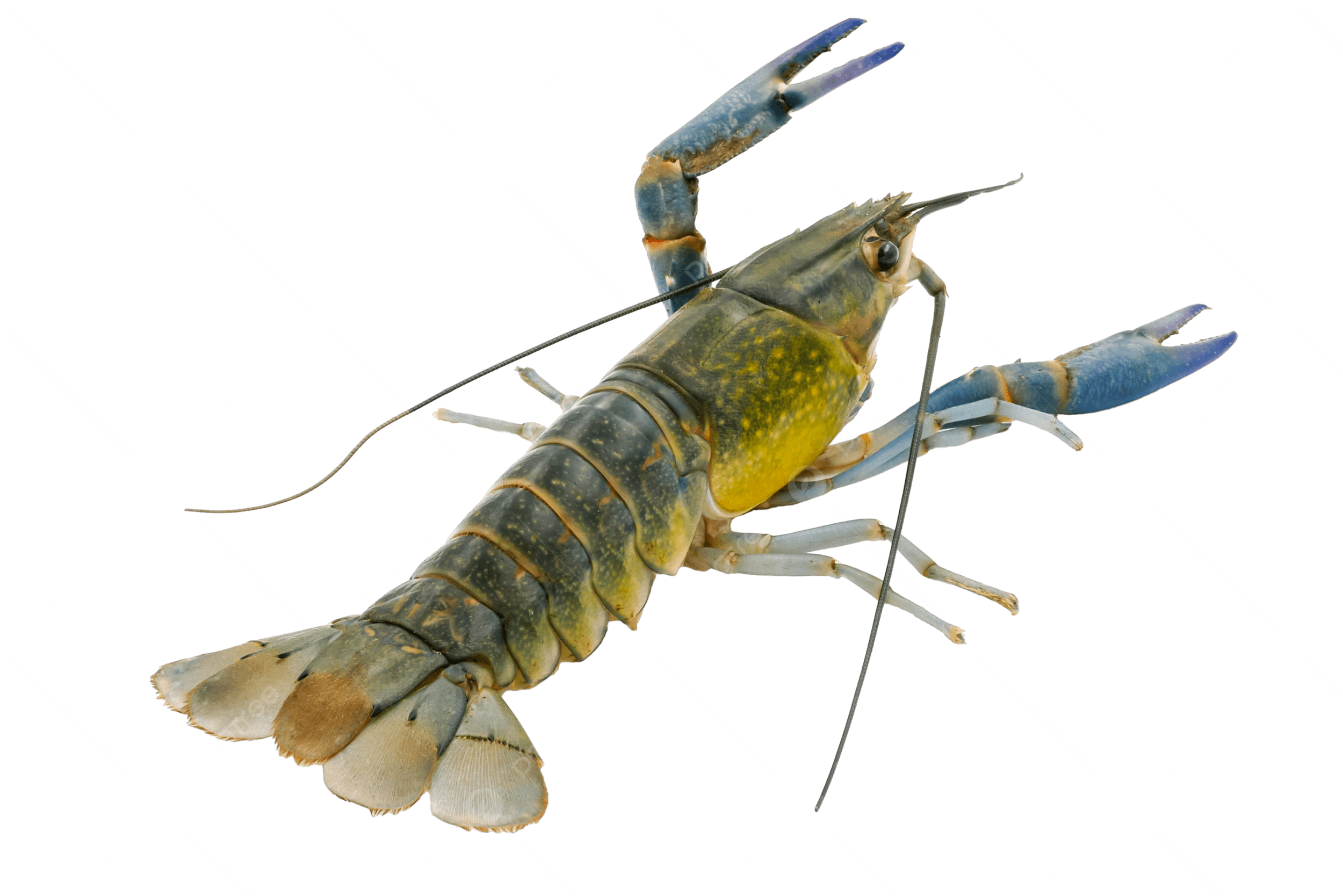
Crayfish is a freshwater crustacean that resembles a small lobster in appearance. Known for its hard outer shell, powerful claws, and flavorful meat, crayfish can be prepared by boiling, grilling, pan-frying, or used in a variety of seafood dishes.
Physical Characteristics and Habitat
- Its body is covered with a hard, segmented outer shell.
- It has two long antennae on its head and a powerful pair of claws at the front.
- Its color may be brown, greenish, reddish, or bluish depending on the species and the environment in which it lives.
- It generally lives in lakes, rivers, ponds, and clean freshwater habitats.
- It prefers to hide among rocks, plants, and underwater crevices.
- It is an omnivorous creature that feeds on plants, algae, small aquatic organisms, and organic remains.
- It is generally more active at night and leaves its shelter to search for food.
- In Türkiye, crayfish raised in lakes and inland waters have significant economic value.
Crayfish Calorie Content
100 grams of raw, edible crayfish meat contains approximately 77 kcal. A 150-gram serving provides approximately 116 kcal of energy. Crayfish is a nutritious aquatic product with a low fat content, high protein content, and a rich mineral profile.
| Nutritional Value | Per 100 Grams | 1 Serving (150 g) | Daily Value per 100 Grams* |
|---|---|---|---|
| Calories | 77 kcal | 116 kcal | 3.9% |
| Carbohydrates | 0 g | 0 g | 0% |
| Fiber | 0 g | 0 g | 0% |
| Protein | 16 g | 24 g | 32% |
| Fat | 1 g | 1.5 g | 1.5% |
| Cholesterol | 114 mg | 171 mg | 38% |
| Vitamin A | 15 IU | 22.5 IU | 0.3% |
| Vitamin C | 0.9 mg | 1.4 mg | 1% |
| Potassium | 302 mg | 453 mg | 8.6% |
| Calcium | 60 mg | 90 mg | 6% |
| Iron | 0.8 mg | 1.2 mg | 4.4% |
*Daily values are calculated based on an average 2,000-calorie diet. Nutritional values are approximate and may vary depending on the species of crayfish, the environment in which it is raised, serving size, storage conditions, and cooking method.